Shift Scheduler Blog
Co je plánování směn pomocí AI a proč je v roce 2026 důležité
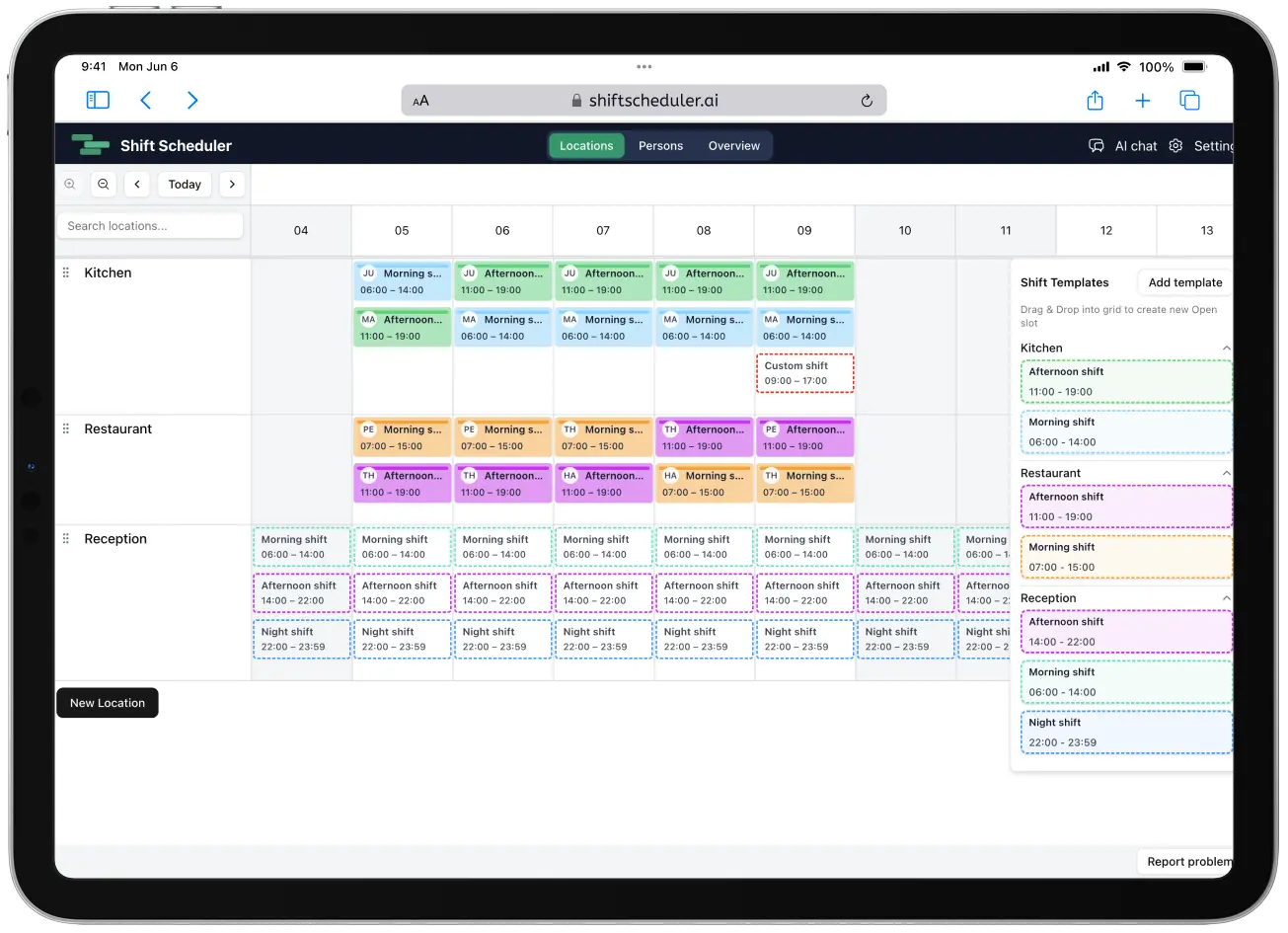
Plánování směn dřív stačilo řešit v tabulce. V roce 2026 je to spíš optimalizační úloha s mnoha omezeními.
Firmy dnes řeší nedostatek lidí, rostoucí mzdové náklady, přísnější pracovněprávní pravidla a zároveň vyšší očekávání zaměstnanců. Tradiční plánování v tabulkách s tím často nedokáže držet krok. Právě tady dává smysl zapojit AI.
Co to ale v praxi znamená a proč je to teď důležitější než dřív?
Co je plánování směn pomocí AI?
Plánování směn pomocí AI znamená, že rozpis nevzniká ručním přesouváním lidí v tabulce, ale pomocí umělé inteligence a optimalizačních algoritmů. Systém bere v úvahu firemní pravidla, zákonné požadavky, preference zaměstnanců i reálné potřeby provozu.
Manažer tedy neurčuje každou směnu ručně. Místo toho nastaví omezení a pravidla, například:
- Minimální obsazení směny
- Maximální počet hodin za týden
- Požadavky na dovednosti nebo kvalifikaci
- Limity přesčasů
- Dostupnost zaměstnanců
- Férové střídání směn
- Zákonné doby odpočinku
Systém z těchto pravidel během několika sekund vypočítá nejlepší možný rozpis.
Ve výsledku nejde jen o automatizaci. Jde hlavně o matematickou optimalizaci.
Dvě vrstvy moderního plánování pomocí AI
Ve ShiftScheduler.ai k plánování pomocí AI přistupujeme ve dvou vrstvách:
1️⃣ Zadávání pravidel běžným jazykem
Většina plánovacích nástrojů po manažerech chce, aby nastavovali desítky políček, výjimek a tabulek s pravidly.
My místo toho používáme AI k tomu, aby šlo pravidla popsat normálním jazykem.
Požadavky pak můžete napsat třeba takto:
Na noční směně musí být alespoň jeden seniorní technik.Nikdo by neměl pracovat více než 5 dní za sebou.Anna preferuje ranní směny.
AI tyto pokyny převede na strukturovaná omezení, se kterými už dokáže pracovat optimalizační engine.
Tím výrazně klesá bariéra pro používání pokročilejší logiky plánování. Manažeři nemusí přemýšlet v matematických pojmech. Jednoduše popíšou, jak jejich provoz funguje.
2️⃣ Optimalizační engine (CP-SAT solver)
Jakmile jsou pravidla převedená do strukturované podoby, používáme CP-SAT, moderní solver pro programování s omezeními z Google OR-Tools.
CP-SAT (Constraint Programming - Satisfiability) je navržený pro řešení složitých kombinatorických optimalizačních problémů. A plánování směn je přesně takový typ úlohy.
Je náročné hlavně proto, že:
- Každý zaměstnanec představuje proměnnou
- Každá směna přidává další omezení
- Pravidla si často navzájem odporují
- Počet možných kombinací rychle roste
CP-SAT vyhodnocuje miliony, někdy i miliardy kombinací, aby našel nejlepší proveditelný rozpis.
Místo automatizace ve stylu "nějak to doplníme" tak získáte matematicky ověřené řešení.
Proč je plánování směn pomocí AI v roce 2026 důležité
1️⃣ Mzdové náklady rostou
V mnoha odvětvích tvoří mzdy 50 až 70 % provozních nákladů. I malé chyby v plánování, jako jsou zbytečné přesčasy, nevyužití lidé nebo přeobsazené směny, se časem promění ve výrazné finanční ztráty.
AI pomáhá omezit:
- Zbytečné přesčasy
- Přeobsazené směny
- Riziko pokut za porušení pravidel
- Hodiny ručního plánování
2️⃣ Očekávání zaměstnanců se změnila
Zaměstnanci dnes očekávají:
- Férové střídání směn
- Respektování jejich dostupnosti
- Lepší rovnováhu mezi prací a osobním životem
- Transparentní plánování
AI umožňuje pracovat s pravidly férovosti, která se při ručním plánování dlouhodobě udržují jen velmi těžko.
3️⃣ Pravidla a legislativa jsou přísnější
V řadě zemí se zpřísňují pracovněprávní pravidla, například kolem:
- Povinných dob odpočinku
- Maximálního počtu hodin za týden
- Pravidel pro včasné zveřejňování směn
Při ručním plánování se na podobné věci snadno zapomene. Optimalizační engine je dokáže hlídat automaticky.
4️⃣ Složitost prudce vzrostla
Moderní týmy často zahrnují:
- Pracovníky na částečný úvazek
- Externisty
- Zaměstnance s více dovednostmi
- Lidi pracující na více pobočkách nebo lokalitách
Čím víc takových proměnných přidáte, tím hůř se rozpis skládá ručně.
AI vs. ruční plánování: praktické porovnání
AI dává největší smysl právě tam, kde je plánování příliš složité na ruční řešení.
| Ruční plánování | Plánování pomocí AI |
|---|---|
| Práce v tabulkách | Optimalizační výpočet |
| Pokus a omyl | Matematicky podložené řešení |
| Špatně se škáluje | Zvládá i větší týmy |
| Snadno vzniká zkreslení | Pracuje s pravidly férovosti |
| Zabere hodiny práce | Výsledek je hotový za minuty |
Skutečný přínos: lepší rozhodnutí, ne jen rychlejší rozpisy
Plánování pomocí AI nemá nahradit manažery.
Jeho smyslem je podpořit lepší rozhodování.
Manažeři dál:
- Určují priority
- Schvalují finální rozpis
- Řeší výjimky
- Používají vlastní úsudek
AI jen přebírá výpočetní část práce.
Je plánování pomocí AI dokonalé?
Ne vždy.
Optimalizace závisí na:
- Jasně definovaných omezeních
- Přesných datech
- Realistických očekáváních
Jedna z nejsilnějších stránek tohoto přístupu je právě v tom, že umí odhalit nereálné předpoklady.
Například:
Pokud potřebujete pokrytí 24/7, ale máte jen 5 zaměstnanců s přísně omezenou dostupností, systém ukáže, že proveditelný rozpis neexistuje.
I taková informace má velkou hodnotu. Problém je lepší vidět hned než ho objevit až v hotovém rozpisu.
Budoucnost plánování směn
V roce 2026 a dál se bude plánování směn pomocí AI pravděpodobně posouvat směrem k:
- Propojení s predikcí poptávky
- Průběžné reoptimalizaci v reálném čase
- Prediktivnímu zohlednění absencí
- Hlubší integraci se mzdovými systémy
- Modelům obsazení, které se průběžně samy zlepšují
Optimalizační enginy jako CP-SAT v kombinaci s AI rozhraním v přirozeném jazyce představují velký posun oproti tradičním nástrojům na rozpis směn.
Závěr
Plánování směn pomocí AI už není futuristický koncept. Je to praktická provozní výhoda.
Díky kombinaci:
- Zadávání pravidel v běžném jazyce
- Matematické optimalizace na průmyslové úrovni
platformy jako ShiftScheduler.ai zpřístupňují pokročilé plánování pracovní síly firmám všech velikostí.
Otázka v roce 2026 proto nezní: "Měli bychom používat AI pro plánování směn?"
Zní:
"Můžeme si dovolit ji nepoužívat?"